4.9.5
22 October 2026
Arnold for Cinema 4D 4.9.5 uses Arnold 7.5.4.0 and is a minor feature release.
Arnold 7.5.4.0 is a feature release that includes a new Shader Imager for interactive compositing, a faster and more responsive accelerated viewport, the ability to pause and resume renders, a new Rim Light shader, faster scene updates for deforming meshes and GPU renders, and more.
C4DtoA 4.9.5 adds support for the new Shader Imager, a new viewport render with an accelerated mode, pause and resume in the IPR, a Frame Time Limit for batch renders, mip-map levels of detail for OpenVDB volumes, shader assignment on Gaussian splats, ramdisk URLs in texture filenames, and agent skills for AI coding agents.
Flow Render Tech Preview
C4DtoA includes a Tech Preview of Flow Render, an Arnold cloud-rendering solution. We are providing 2400 minutes (per user, per month) of rendering time to Arnold users for testing and evaluating the service. Please report any feedback or issues in the Arnold feedback forums.
In this release, Flow Render adds support for custom OCIO configs, UDIM tile tokens in texture filenames, and a per-frame render time limit.
See the Flow Render Tech Preview documentation for more information.
Installation
Download Arnold for Cinema 4D from your Autodesk Account. See Download Arnold for more information about downloading C4DtoA from your Autodesk Account.
Follow these installation instructions.
Cinema 4D Compatibility
- 2025.0.0 and above
- 2026.0.0 and above
- 2027.0.0 and above
Enhancements
Imager Enhancements
- Shader Imager: The new Shader imager runs a shader network on the rendered image during the imager passes, so you can apply simple compositing graphs and do slap compositing interactively. Add it as a post effect with the Effect button in the Render Settings, or from the Post panel of the Arnold IPR window, and link an Arnold material to its Shader parameter. The network can read AOVs through OSL shaders or an image node, using filenames such as aov:diffuse and aov:albedo. During IPR, editing the shader network linked to the imager reruns the imagers without restarting the render. See Imager Shader in the Arnold documentation. (C4DTOA-3594, ARNOLD-10321, ARNOLD-18335)
 |
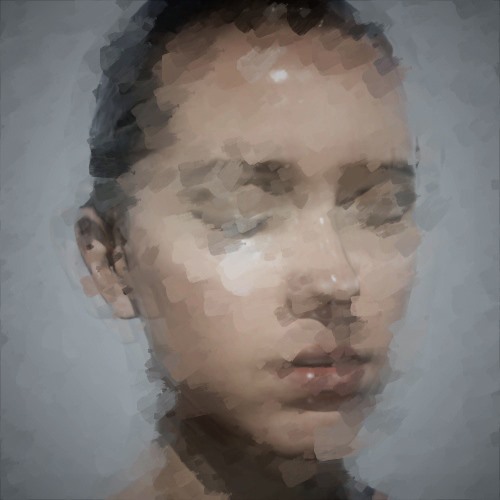 |
| Different OSL-authored styles applied to the same render via the Shader Imager | Painterly brush strokes applied to a portrait render via the Shader Imager |
- Faster imager updates: During CPU renders, intermediate imager results appear sooner and more regularly, especially with the Shader, Lens Effects and Denoiser OIDN imagers, while the time spent running imagers stays closer to its target share of the render time. Changing an imager after a render has finished now reports progress until the imagers are done. (ARNOLD-18500, ARNOLD-12642, ARNOLD-15447, ARNOLD-16372)
Global Light Sampling Enhancements
- Control indirect light samples with Global Light Sampling: When Global Light Sampling is enabled, Arnold previously used a single light sample per shading point on indirect (secondary) bounces. The new Indirect setting, under Global Light Sampling in the Advanced section of the Arnold Render Settings, lets you increase the number of indirect lighting samples to reduce noise in scenes with many lights, at the cost of additional sampling. The default is 1, matching the previous behavior. (C4DTOA-3624, ARNOLD-17084)
 |
| Indirect passes brightened +2 EV. Left of each diagonal: Indirect 1; right: Indirect 16. |
Viewport Render Enhancements
- Viewport render: You can now render directly into the Cinema 4D viewport from the new Arnold viewport menu. Both CPU and GPU rendering are supported. Render progress and status are shown in the viewport HUD, so you can follow the render without leaving the viewport. Choose Settings... in the Arnold viewport menu to open the Viewport Settings, where you can set the Render Device, turn on Accelerated Mode, balance quality against speed with Interactivity, and show or hide the HUD. See Viewport Rendering. (C4DTOA-3636, C4DTOA-3642, C4DTOA-3649)
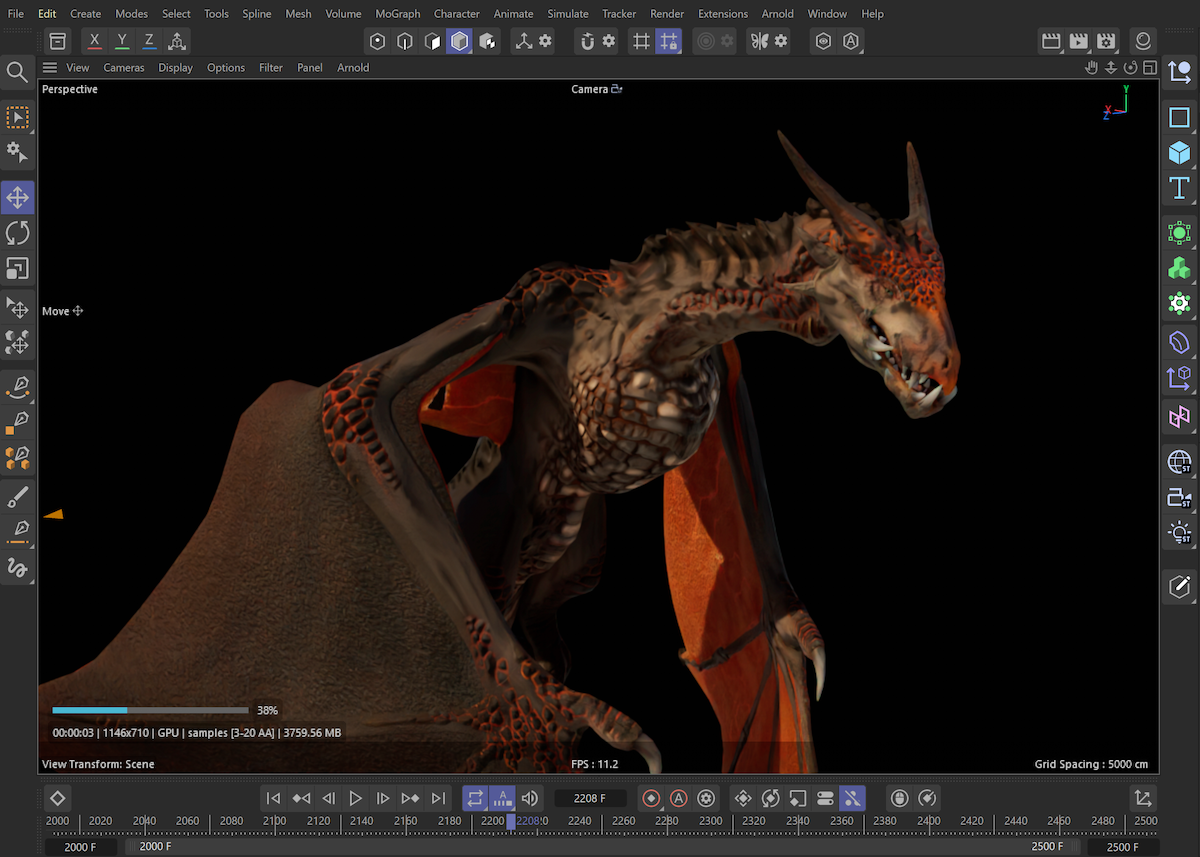
Accelerated mode: Viewport render supports an accelerated mode. It gives a smoother, more responsive experience, with less noise while you move the camera. You get a usable image sooner and can stay in the viewport while you work on lighting and do look development. Turn on Accelerated Mode in the Viewport Settings. Imagers, including the new Shader Imager, are not applied in accelerated mode. See Viewport Rendering. (C4DTOA-3638, C4DTOA-3647, ARNOLD-18151)
Responsive navigation: In accelerated mode, when you move the camera, the viewport gets to an interactive frame rate quickly and holds it, then returns to full quality once the camera settles. To keep up, it can drop several quality settings in one step and render at a reduced resolution. These navigation optimizations apply to GPU rendering only. (ARNOLD-18083, ARNOLD-18181, ARNOLD-17770)
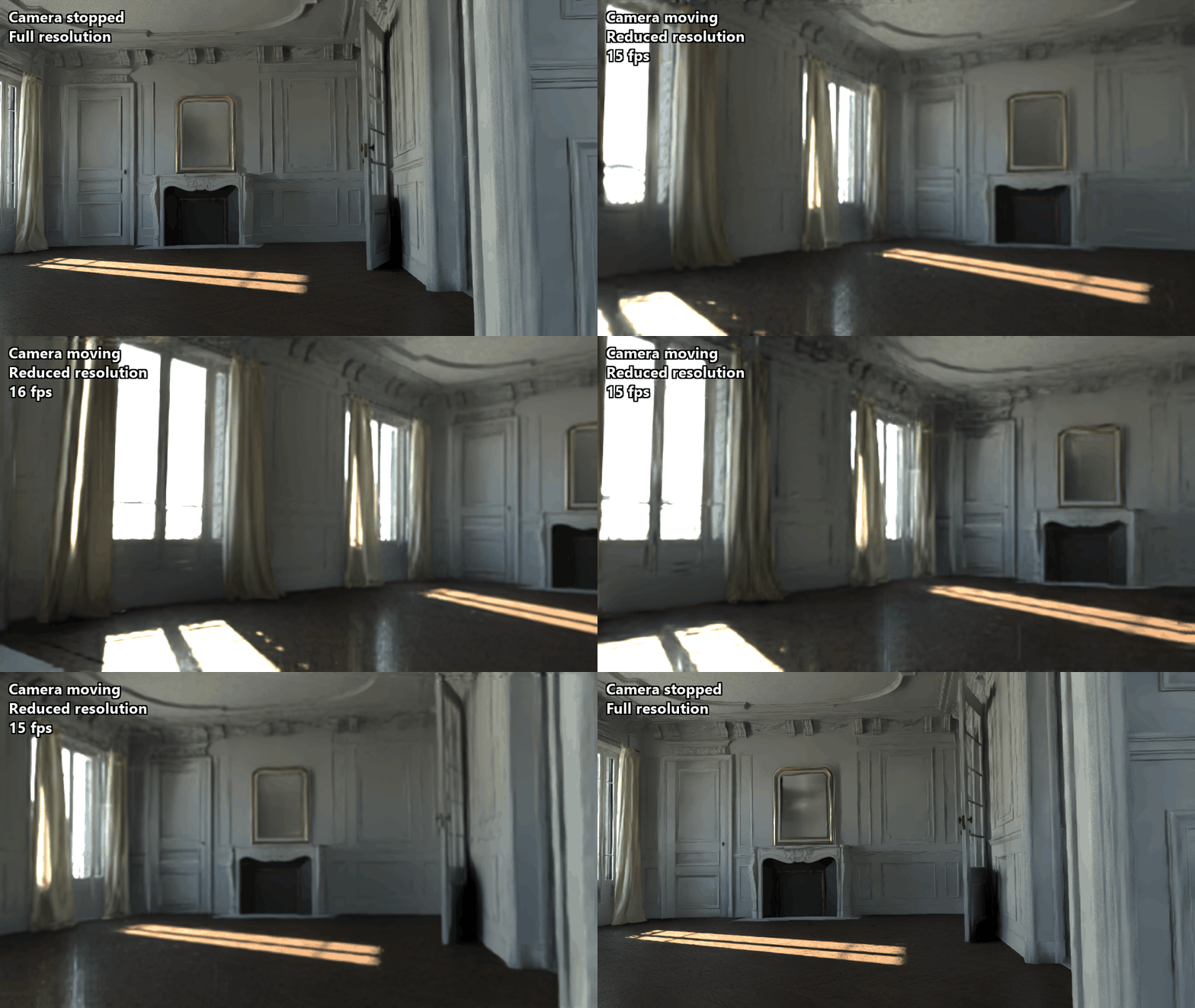 |
| Accelerated mode (GPU) in real time: the resolution drops while the camera moves and returns to full resolution once it stops. |
A cleaner, sharper image: In accelerated mode, the viewport shows a cleaner, sharper image closer to the final result while you navigate and edit the scene. (ARNOLD-18001, ARNOLD-18113, ARNOLD-18197, ARNOLD-18252, ARNOLD-18418, ARNOLD-18401, ARNOLD-18459, ARNOLD-18572, ARNOLD-18608)
CPU rendering in accelerated mode: Accelerated mode also works when you set Render Device to CPU in the Viewport Settings. A GPU device is still required for the viewport processing stage. Without one, Arnold logs a warning and falls back to a normal render. (ARNOLD-18154, ARNOLD-18214, ARNOLD-17853, ARNOLD-18133)
Rendering Enhancements
Pause and resume in the IPR: Pausing the IPR now pauses the render in place, freeing CPU and GPU resources until rendering is resumed. Resuming picks up exactly where rendering left off, keeping all the pixels rendered so far. Previously, pausing only prevented IPR restarts on scene updates. (C4DTOA-3607, ARNOLD-11048)
Stop a batch render after a fixed time: The new Frame Time Limit (Batch) setting, in the Sampling section of the Arnold Render Settings, stops a batch render after about that much time per frame and writes out the image reached so far. This is useful for shots that have to be delivered by a certain time. Choose seconds, minutes, or hours. The render uses the progressive sampler, so the image is complete but noisier than a converged render. The limit is approximate: the render can run longer if some pixels don't have valid data yet. It is ignored in interactive rendering. (C4DTOA-3633, ARNOLD-18340)
Shader Enhancements
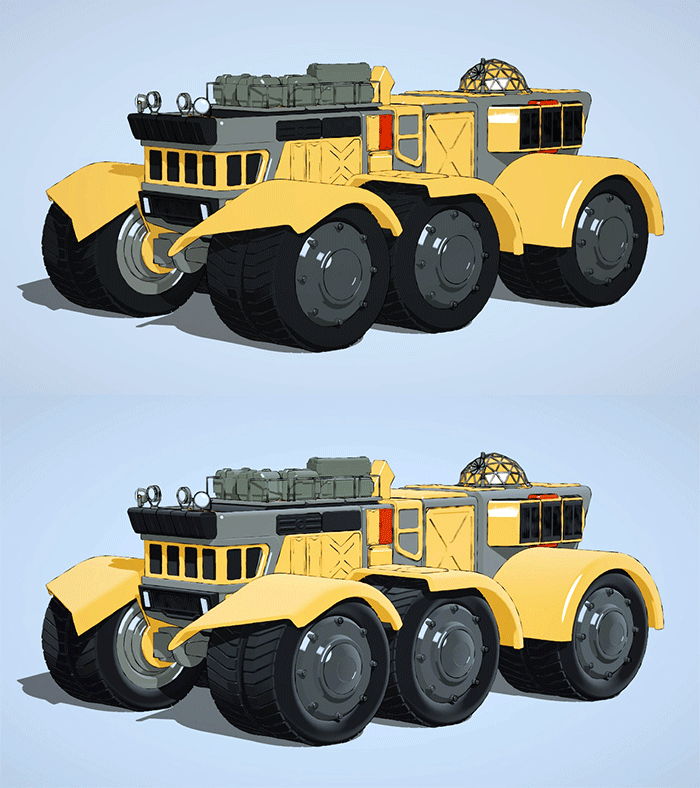
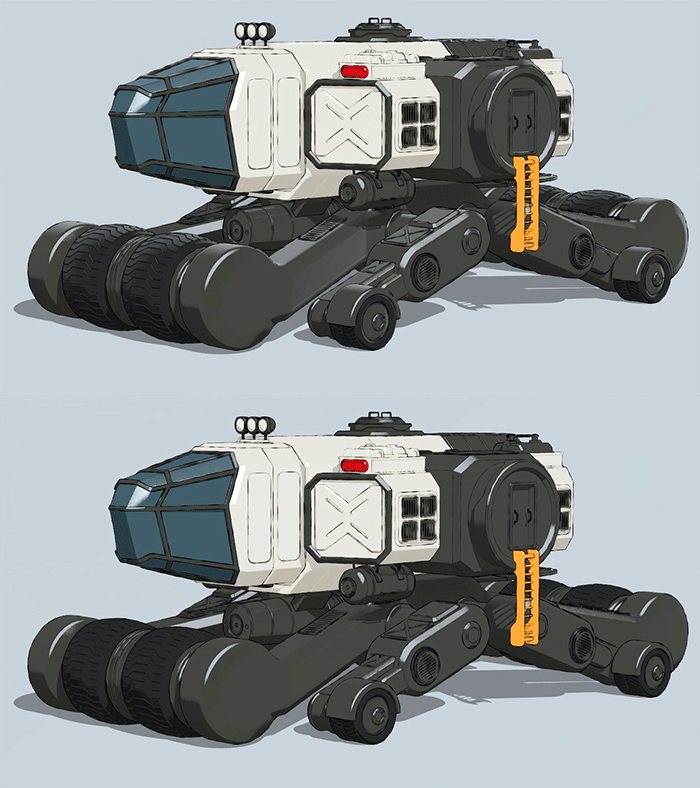
New Rim Light shader: The Rim Light shader is a standalone node that outputs the same rim lighting that you get from the Toon shader. For stylized rendering, such as non-photorealistic rendering (NPR), you can layer the rim light into any shader network, without using Toon, and use the rim lighting as a discrete RGB component rather than a fixed, built-in effect. (C4DTOA-3610, ARNOLD-17744)

 |
 |
Specular shader's Specular Weight renamed Reflectivity: The Specular Weight parameter of the Specular shader is now called Reflectivity, which describes better what it does: it multiplies the dielectric Fresnel reflectivity without affecting refraction. The old name is still accepted as a synonym, so existing scenes keep working. (ARNOLD-18136)
Detect Arnold from OSL shaders: OSL shaders can now call
getattribute("renderer:name", ...)andgetattribute("renderer:version", ...)to check whether they are running in Arnold, and in which version. This lets you write shaders that use Arnold-specific behavior and still work in other renderers. (ARNOLD-18066)
Denoising Enhancements
Arnold Denoiser moved to Utilities menu: The Arnold Denoiser tool, which allows you to denoise EXR images with the noice command-line executable, is now available from the Utilities menu in the Render Settings. (C4DTOA-3613)
Noice denoiser: The Filter Strength of the Arnold Denoiser (Noice) now behaves consistently across all rendering filters, instead of requiring a different optimal value per filter as before. The recommended range is 0.6 to 0.8, depending on your preference for the detail/noise tradeoff. (ARNOLD-18168)
Automatic configuration of variance_filter parameters: The variance_filter, used by the Arnold Denoiser (Noice), has parameters
widthandfilter_weightsthat need to match the filter settings of the corresponding AOV. Incorrectly setting this will hurt denoiser quality. Arnold now sets thewidthandfilter_weightsautomatically, so you can ignore them. Using them will trigger a deprecation warning. A future version of Arnold will remove these now unused parameters. (ARNOLD-17982)
GPU Enhancements
Faster GPU scene updates: GPU renders of scenes with many objects or instances now start sooner and react faster to interactive edits, such as moving objects or adding, removing, or changing instances. In scenes with many instances, the GPU acceleration structures also use less memory. (ARNOLD-17900, ARNOLD-18140, ARNOLD-18160, ARNOLD-18179, ARNOLD-18376, ARNOLD-18380, ARNOLD-18384) For example:
- In a scene with 100,000 instances, the GPU scene update before rendering starts is 3x faster (660 ms to 214 ms). With 1 million instances, it went from 9.8 s to 4.1 s.
- In a scene with 500,000 instances, the GPU acceleration structure over them is 34% smaller (113 MB to 75 MB).
- When deforming every mesh in the Caldera USD scene interactively, the GPU scene update per frame is 10% faster (445 ms to 401 ms) and sends a third as much data to the GPU (371 MB to 120 MB).
Warning when the GPU is out of video memory: On Windows, Arnold now warns you when a GPU render is close to exceeding the GPU memory budget provided by the operating system. When GPU memory goes over budget, GPU renders become very slow, followed by possible crashes and hangs. (ARNOLD-17693)
Better accounting of GPU memory in stats: Previously unaccounted-for GPU memory is now reported in the stats as
compute stacks. This is the GPU memory allocated by each GPU thread to do its computation. This memory increases with the number of GPU cores, not with scene complexity, and is usually a few GBs in size. (ARNOLD-17310)
General Performance Enhancements
Faster updates when deforming meshes: When a mesh deforms in an interactive session, such as when animating or sculpting, Arnold can now process it faster (ARNOLD-18289, ARNOLD-18321, ARNOLD-18544). For example:
- Deforming a subdivided and displaced test character (17M polygons after subdivision) is 43% faster on both CPU and GPU.
- Deforming a non-subdivided test character (1M polygons) with authored normals is 65% faster on CPU and 68% faster on GPU
- Deforming every mesh in the 27,000-mesh Caldera USD scene is up to 78% faster on CPU and 75% faster on GPU.
Faster motion blur with varying motion keys: Arnold now renders scenes more efficiently when objects have different numbers of motion keys or different motion start and end values. Previously, these differences could cause significant slowdowns. In a test scene with 39k moving objects, render time dropped from 3.76s to 0.28s (13.4x faster) when 90% of objects had 5 keys and 10% had 2. Another scene with 30 different motion time ranges and 1–9 keys per object improved from 1.37s to 0.31s (4.4x faster). This optimization increases acceleration structure memory usage based on the maximum number of motion keys per object. Performance and memory usage remain unchanged for scenes where objects already use consistent motion keys. (ARNOLD-6597)
Faster light importance map calculation: Quad light importance maps are now multithreaded and significantly faster. For example, a 4096x4096 quad light map went from 3.7s to 0.12s. Skydome light importance maps are now built before rendering starts, and are up to 2x faster with 32 or more threads. Rendered results and memory use are unchanged. (ARNOLD-18155)
Faster BVH builds for objects with invalid geometry: Some objects contain primitives that are invalid or have unusable bounds, such as NaN or infinite vertex positions, or points with a negative radius. Building the BVH for these objects used to include a pass over every one of their primitives that ran on a single thread. That pass has been removed, so these objects no longer slow BVH builds down on machines with many cores. In a stress test with a 387-million-primitive object on a 24-core machine, this step went from 2.1s to under a millisecond. (ARNOLD-16616)
Optimized dependency graph: The Arnold dependency graph used in interactive sessions is now more efficient and uses about half as much memory. For example, in a test scene with 1 million dependencies between nodes, each dependency now uses 203 bytes instead of 405 bytes. (ARNOLD-16102)
Parallelized nodes destruction: When the Arnold universe is deleted, the nodes are now deleted in parallel, making the shutdown time faster. The USD Caldera scene is now 3.6x faster at render shutdown. (ARNOLD-16156)
Shaders support in the dependency graph: The shading trees are now properly handled by the node dependency graph. Shaders can now be deleted during interactive renders without requiring additional process on the plugin side. (ARNOLD-7064)
Other Enhancements
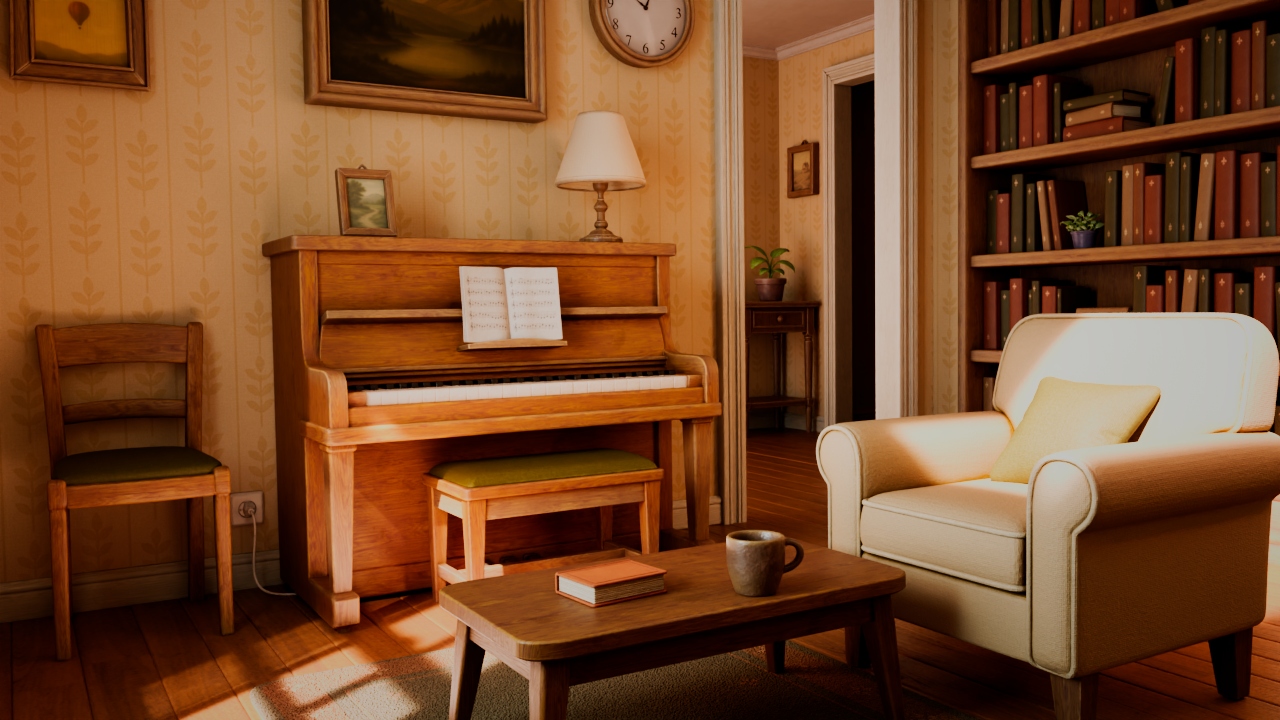
- New built-in roughness AOV: A new roughness AOV reports the surface roughness seen at the first bounce, so you can check the roughness maps across a whole shot at render time instead of building a custom AOV for every material. It is listed with the other built-in AOVs. It accumulates the roughness into a single value, without anisotropy. A material with several lobes returns a weighted average across them, and a surface with no microfacet roughness, and that is pure diffuse, hair, sheen, fuzz, and transmission, returns 1. (ARNOLD-17777)
 |
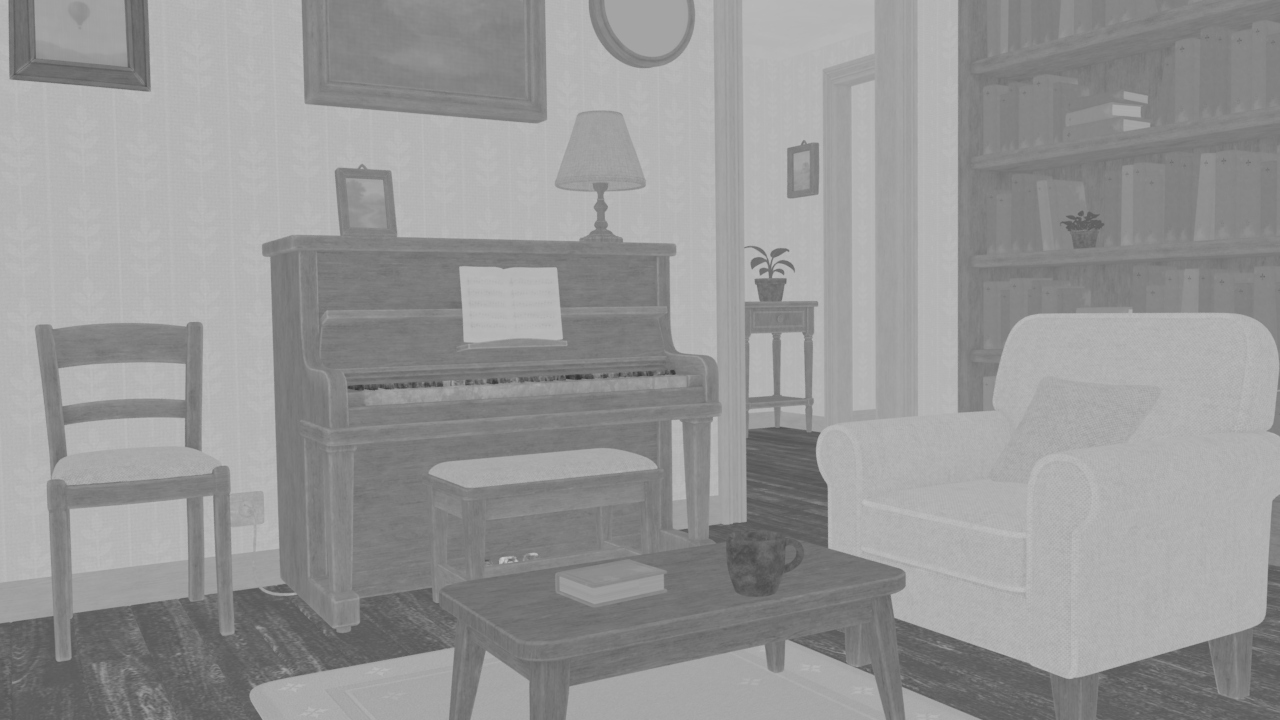 |
| Beauty | roughness AOV |
Thanks to Alex Mateo for the use of the Salita scene.
More detailed timing stats: Scene creation time now has two subsections: scene setup and scene load (this is for all scene formats, not just ASS scenes). In the general frame time, a new render setup time was added, which covers one-time setup (both CPU and GPU) and has a separate gpu context creation subsection for GPU. Finally, light-tree building is now correctly accounted for and included in light-accel building. (ARNOLD-16395)
Alembic procedural is now a built-in node: The
alembicnode is included in Arnold and is not a separate library in the plugins subdirectory. (C4DTOA-3630, ARNOLD-18288)Updated DLSS: The DLSS library used by the viewport render's accelerated mode is upgraded to version 310.9.1, which includes the newer DLSS 4.5 Ray Reconstruction model. (ARNOLD-18263)
Update network licensing: The Autodesk network licensing library is updated to version 3.4.0.4. (ARNOLD-18220)
C4DtoA Enhancements
Volume mipmap generation: You can now generate mip-map-like levels of detail in OpenVDB volume files, delivering faster, lower-memory volume rendering with cleaner detail at a distance. (C4DTOA-3588)
Gaussian splat shading: Built-in shading parameters have been removed from the Arnold Gaussian Splat object in favor of assigning a shader directly to the object. Use the Gaussian Splat shader for the intended result. Other Arnold shaders are also accepted, but render the splats as flat ellipsoids. (C4DTOA-3608, C4DTOA-3618)
Path metadata: Added support for the path metadata on Arnold node parameters. Parameters tagged path=file or path=folder now show a file browser control in the UI. (C4DTOA-2199)
Ramdisk URLs: Added support for in-memory ramdisk URLs (ramdisk://) in texture filenames. Ramdisk files are written to a temporary folder during translation to Arnold. (C4DTOA-3614)
AI agent support: C4DtoA now ships a set of agent skills in the skills folder of the plugin. They teach AI coding agents, such as those working through the Cinema 4D MCP server (introduced in Cinema 4D 2026.4), how to do common Arnold tasks from Python, such as creating Arnold materials, lights and OSL shaders, render AOVs, diagnose failed renders, and submit Flow Render jobs. To use them, copy the skill folders into your agent's skills directory. (C4DTOA-3658)
Flow Render Enhancements
Custom OCIO config support: Custom OCIO configs are now supported when submitting scenes to Flow Render. (C4DTOA-3628, ARNOLD-17134)
Tile token support: The
<utile>and<vtile>tokens are now supported in texture filenames. (ARNOLD-18206)Frame time limit: The Flow Render Submitter has a new Frame Time Limit setting. A frame stops rendering when it reaches the time limit, and writes out the image rendered so far. The result is a complete image that is noisier than a fully rendered one. This is useful when shots have to be delivered by a certain time. (C4DTOA-3644, ARNOLD-18416)
USD Enhancements
- Render pause in Hydra: The Arnold render delegate now supports pausing usd#2719
- Accelerated Rendering: A new render setting "accelerated_rendering" allows to provide fast viewport updates (GPU-only) usd#2652
- Support points grids in Volumes: When a Volume primitive loads a VDB file having points grids, these grids are then rendered as points in Arnold usd#2740
- CoordSys support in Hydra: Arnold now resolves the USD
UsdShadeCoordSysAPI, so named coordinate systems can be bound to a prim and referenced by the Space parameter of MaterialX shaders such as MtlX Position. See Material X for an example. (ARNOLD-18248) usd#32 - Per-render var EXR compression: EXR compression can now be set separately for each render var (AOV) with the
arnold:driver_exr:compressionattribute. The compression set on the render product is still used as a fallback. usd#2742 usd#2731 - UV camera ray direction and origin in Hydra: The
ray_directionandray_origininputs of theuv_cameraare now supported in Hydra, which fixes cage handling when baking textures in Solaris. usd#2710 - Sequence rendering with Hydra 2 render settings: Sequences now render correctly when the render settings change during the sequence. The render is interrupted before the render settings are updated, and existing Arnold nodes are reused instead of being recreated. usd#2754
- Interactive updates for shader imagers: When an imager shader, or a shading tree connected to it, is modified interactively, only the imager pass is updated instead of the whole render being restarted. usd#2758
- Mesh geometry deduplication in Hydra: The render delegate now finds identical meshes and curves and renders them as instances of one shared node. This reduces memory use and BVH build time in scenes with repeated assets, such as point instancer prototypes. For example, a production Houdini scene with many point instancers and repeated prototypes now uses 15 GB of memory instead of 50 GB. The
HDARNOLD_GEOM_DEDUPenvironment variable sets the mode:0(no deduplication),1(point instancer prototypes only; the default), or2(all duplicate geometry). usd#2749 - Turntable render settings: The turntable command now uses the render settings already in the scene instead of creating new ones with default values. A new option lets you choose a specific render settings prim. usd#2769
API Changes
Render pause API: New
AiRenderPause()andAiRenderIsPaused()functions let a host pause a running render without losing progress, then resume it with the existingAiRenderResume().AiRenderGetStatus()continues to reportAI_RENDER_STATUS_RENDERINGwhile a render is paused. CallAiRenderIsPaused()to check the pause state. (ARNOLD-11048)Imager interrupt and resume APIs: When an imager or a shader under its graph is modified interactively, the imager passes should be interrupted using
AiImagerInterrupt(). This interrupts only the imager passes, not the render itself. Once the imagers and its shaders have been modified, they can be resumed withAiImagerResume(), which replaces the previousrequest_imager_updaterender hint. (ARNOLD-11648)Detect shaders used only by imagers: New
AiShaderInImagerTree()function tells a host application whether a shader is used only by an Imager Shader. The host can call it on each shader edit during an interactive session, because it is fast enough to call every time. If it returns true, the host can make the edit betweenAiImagerInterrupt()andAiImagerResume()instead of interrupting the render. (ARNOLD-18297)OSL screen coordinates: OSL shaders evaluated by the Imager Shader can read the screen position of the current pixel, in the 0–1 range, with two new attributes.
getattribute("screen_uv", ...)hasv = 0at the bottom of the image, matching Arnold's convention and the Imager Shader's Screen UV mode.getattribute("screen_st", ...)hast = 0at the top of the image, matching OSL's texture convention, so you can pass it totexture()without flipping. Both return screen-space derivatives, sotexture()lookups are filtered correctly. See OSL Shaders. (ARNOLD-18419)Volume grid type API: New
AiVolumeFileGetChannelTypes()function lets you check whether a vdb grid is a volume channel or a points grid. (ARNOLD-18209)AiGetRenderOutput() output properties:
AiGetRenderOutput()takes a new optionalAtRenderOutputPropertiesargument that sets how an AOV is written into the destination. This lets hosts copy directly into their own buffers without an extra conversion pass.destination_row_pitchlets the render region be copied into a CPU buffer wider than itself, such as a mapped viewport framebuffer.half_floatconverts the AOV to 16-bit half float on the GPU before a CPU transfer, which halves both the destination size and the amount of data copied.alpha_modewrites the alpha as is, inverted, or as a constantalpha_value, for example 1.0 for an opaque result. The defaults keep the existing behavior, so existing code compiles without changes, but it must be recompiled (see below). (ARNOLD-18283, ARNOLD-18284, ARNOLD-18285)
Incompatible Changes
- AiGetRenderOutput() requires recompiling: Adding the
AtRenderOutputPropertiesargument changed the binary interface ofAiGetRenderOutput(). Plugins and applications built against Arnold 7.5.3 that callAiGetRenderOutput()must be recompiled against the 7.5.4 headers. No source changes are needed. Binaries that are not recompiled still load, but their calls toAiGetRenderOutput()may crash or write incorrect data. Plugins and applications that do not callAiGetRenderOutput()are not affected. (ARNOLD-18283)
Bug Fixes
- C4DTOA-3665 - Tx Manager incorrectly shows UDIM textures missing
- ARNOLD-6597 - Missing geometry from motion-blurred objects inside moving procedurals when procedural instancing optimization is enabled
- ARNOLD-9430 - Interactive modification of displacement shaders works
- ARNOLD-11648 - Make full frame imager updates thread safe
- ARNOLD-11706 - Tiny transmittance in interiors generates NaNs in CPU rendering
- ARNOLD-14047 - Light linking is not respected through transmission in skydome light
- ARNOLD-15234 - Crash in profiler with multiple render sessions
- ARNOLD-16231 - OSL opacity mask does not respect missingcolor
- ARNOLD-16386 - [GPU] Complex OSL and MaterialX shader networks could fail with an illegal memory access and render black
- ARNOLD-17468 - ar_orientations does not work for curves in Alembic files
- ARNOLD-17668 - kick: -o output file ignored when rendering USD scenes with open render window
- ARNOLD-17871 - Rare OSL crashes, particularly on macos
- ARNOLD-17988 - GPU OIDN crashes in Cinema 4D on Linux
- ARNOLD-18072 - Global operators must not change shared procedural content unless the selection matches every sharer
- ARNOLD-18142 - [FlowRender] Texture baking fails if multiple meshes have the same name
- ARNOLD-18279 - Viewport proxy of VDB points missing with custom point attribute
- ARNOLD-18322 - OSL texture() lookups on a missing file are slow
- ARNOLD-18333 - OSL camera:* attributes crash or return nothing when no object is being shaded
- ARNOLD-18356 - UsdLux: IES angle_scale in range (0, 1) renders too dark
- ARNOLD-18377 - OSL getattribute('uv'/'st') returns a transposed derivative block
- ARNOLD-18407 - Volume AOVs are black or dim in non-deep outputs when also rendering deep EXR or Cryptomatte
- ARNOLD-18446 - Crash when an imager was added to a driver's imager chain during an interactive render
- ARNOLD-18506 - [GPU] Crash at exit after a GPU render when AiEnd() is not called
- usd#2705 - Bind volume shaders on step-sized meshes
- usd#2730 - Use the OCIO config file path from the settings map when $OCIO is not set
- usd#2745 - Support renderingColorSpace in the hydra2 render_settings
- usd#2747 - Fix nodes destruction during interactive sessions under a procedural
System Requirements
- Windows 10 or later, with the Visual Studio 2019 redistributable.
- Linux with at least glibc 2.28. This is equivalent to RHEL/Rocky 8.
- macOS 12 or later.
- x86-64 CPUs need to support the SSE4.1 instruction set.
- GPU rendering and OptiX denoising work on Windows and Linux only, and require an NVIDIA GPU with the Maxwell architecture or later.
- On Linux, we recommend 590.48 or higher drivers.
- On Windows, we recommend 591.28 or higher drivers.
- Intel OIDN runs on all CPUs. GPU support is limited to:
- macOS
- Apple silicon GPUs (M1 and newer)
- Linux
- NVIDIA GPUs with Turing, Ampere, Ada Lovelace, Hopper, and Blackwell architectures
- Windows
- Intel Xe and Intel Arc dedicated and integrated GPUs
- NVIDIA GPUs with Turing, Ampere, Ada Lovelace, Hopper, and Blackwell architectures
- AMD GPUs with RDNA 2, RDNA 3, RDNA 3.5, and RDNA 4 architectures
- macOS