Sheet metal rule reference
In the Design workspace, on the Sheet Metal tab, the edit rule dialog in the Sheet Metal Rules Library lets you customize specific sheet metal features.
Design > Sheet Metal > Modify > Sheet Metal Rules Library  > Edit

Name
The display name of the sheet metal rule in the library list.
Description
Optional text that describes the rule, such as material grade, finish, or shop standard. Description appears in the rules table and helps distinguish rules with similar names.
Info
Units: The unit system used for rule dimensions, such as inches or millimeters.
Material: A text label for the material associated with the rule. Enter any name that matches how your team identifies stock (for example, Aluminum or Stainless steel).
Thickness: Specifies the thickness of the material.
Minimum gap: Specifies the value of the space between a flange miter, rip, or seam gap.
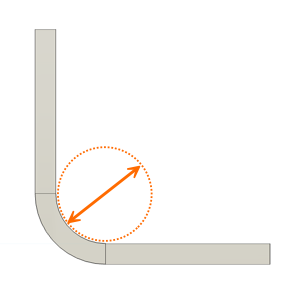
Bend radius: Specifies a distance from the inner surface of the sheet to the center of the bend. This controls how tightly the material bends and affects both strength and appearance.
Unfold method
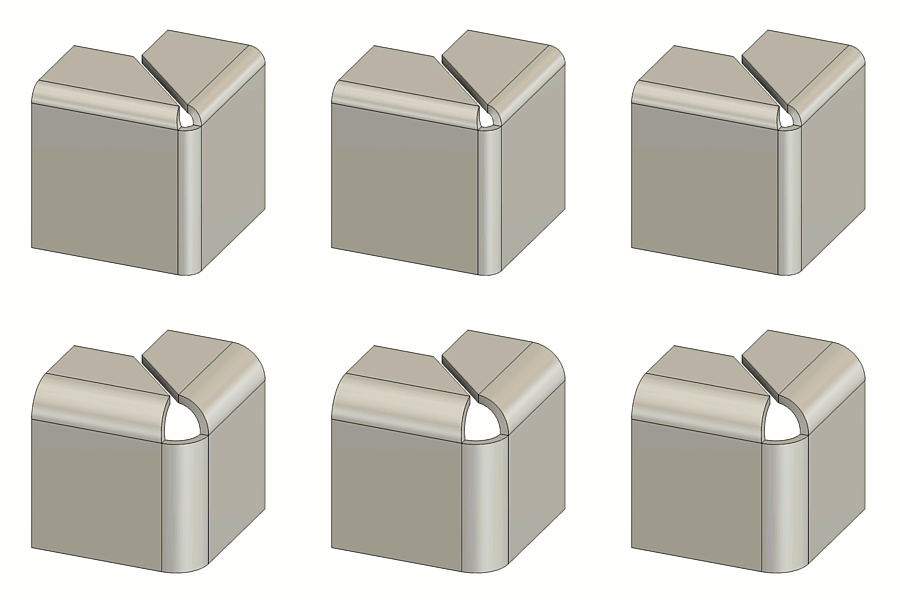
An unfold method is the formula Fusion uses to calculate the flat pattern size of a sheet metal part before it is bent in the shop. The rule stores the method and values so unfolded layouts match the folded design.
Type: Linear calculates how much material is consumed along each bend using a straight neutral axis and K-factor.
K-factor: When sheet metal is bent, the external surface stretches while the internal surface compresses. The neutral axis shifts towards the inside of the bend. K-factor is the ratio of the neutral axis offset from the internal bend surface to the material thickness.
Bend relief
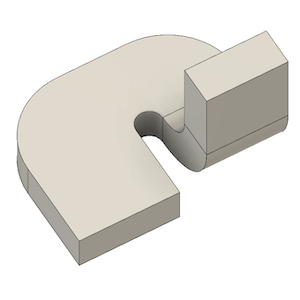
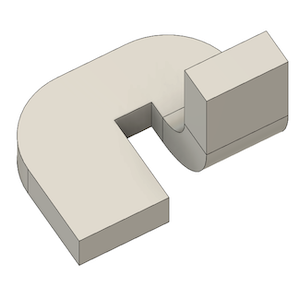
Shape: Specifies the shape of the relief at the corner of a bend. These images preview the bend reliefs in folded sheet metal design.
Round
 : Creates a rounded notch bend relief with the width, depth, and remnant that you specify.
Straight
 : Creates a squared notch bend relief with the width, depth, and remnant that you specify.
Tear
 : Creates no bend relief, so the material is torn at the corner with remnant that you specify.
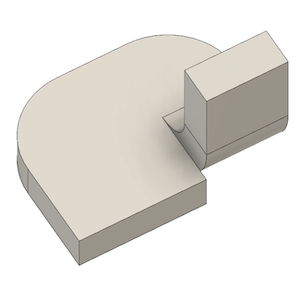
Remnant: Specifies the minimum stock that remains alongside a bend relief cut.
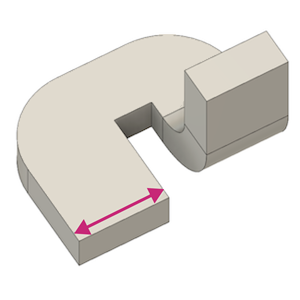
Width: Specifies the width of the bend relief.
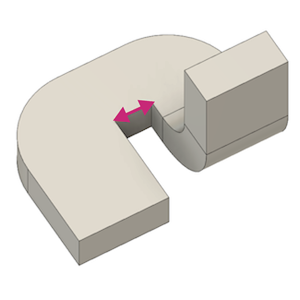
Depth: Specifies the depth of the bend relief.
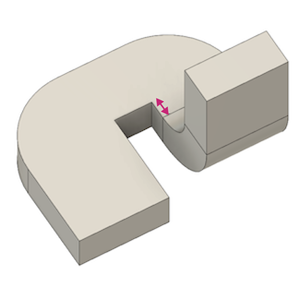
2-Bend corner relief
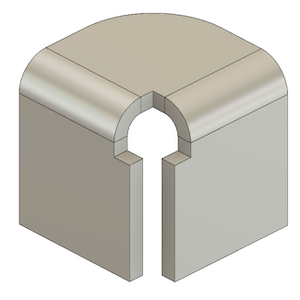
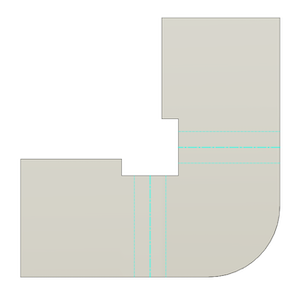
Shape: Specifies the shape of a two bend corner relief. You can see images of various corner relief shapes below. These images preview the bend reliefs in both folded sheet metal design and flat pattern.
Round
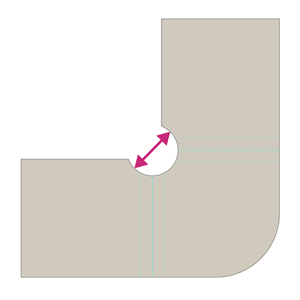
 : Creates a circular bend relief centered on the corner where two bends meet. You specify the size and placement of the relief.
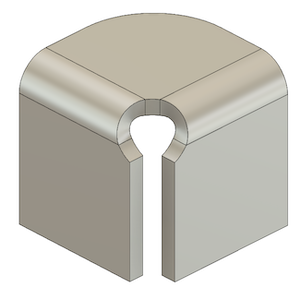
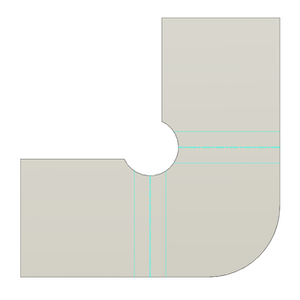
Square
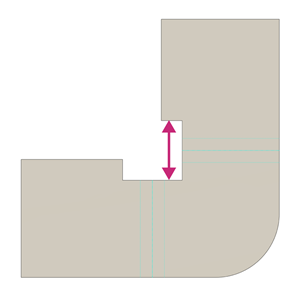
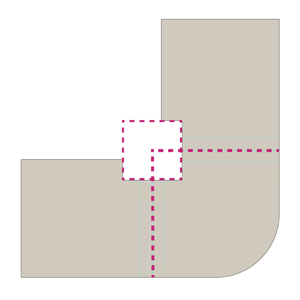
 : Creates a square bend relief centered on the corner where two bends meet. You specify the size of the relief.
Tear
 : Creates no bend relief, so the material is torn at the corner where two bends meet.
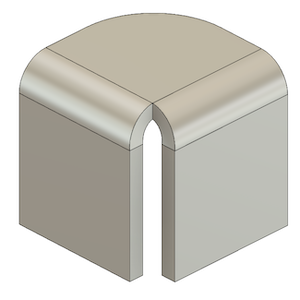
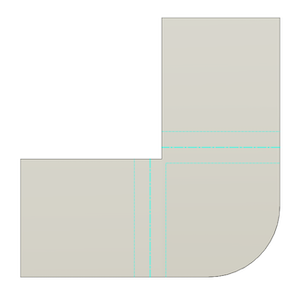
Trim to bend
 : Creates a square bend relief centered on the corner where two bends meet. The square size is determined by the bending area.
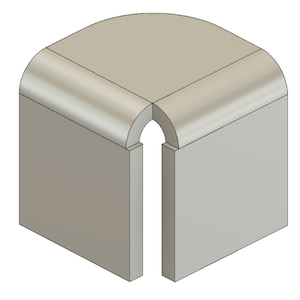
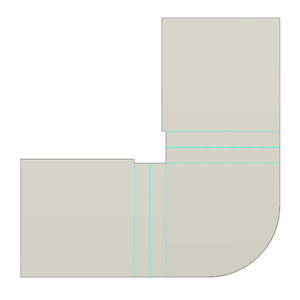
Linear weld
 : Creates a V-shaped bend relief. The V size is determined by the bending area.
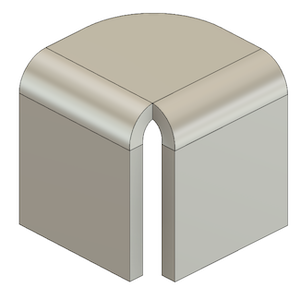
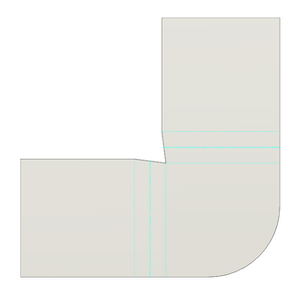
Arc weld
 : Creates a blunt notch bend relief with spline edges limited by the bending area.
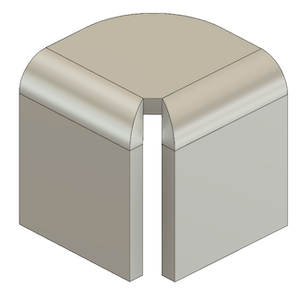
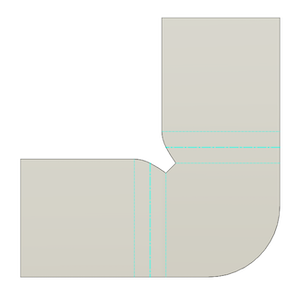
Laser weld
 : Creates a circular notch bend relief with spline edges limited by the bending area.
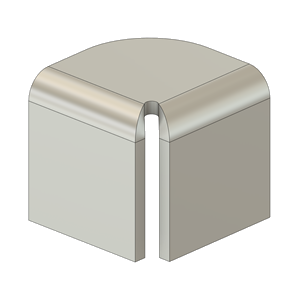
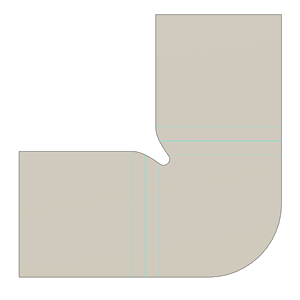
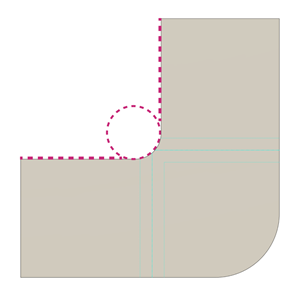
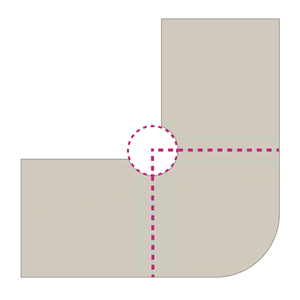
Size: Specifies the relief size value of a corner where two bends intersect. This dimension is measured when the sheet metal body is unfolded. Available for Round and Square relief shapes.
Placement: Specifies the location of a relief shape at corners where two bends intersect.
Tangent: Places a rounded relief shape so that it is tangent to the edges of two flanges where they meet the base flange. Available for Round relief shape.
Intersection: Centers the relief shape on the intersection where two flanges meet the base flange. Available for Round and Square relief shapes.
3-Bend corner relief
The three bend corner relief shape is only visible in flat pattern view. The images below help understand the specifics of each 3 bend corner shape.
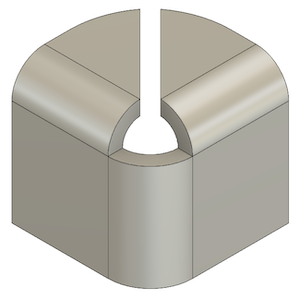
Shape:
No replacement
 : Creates no special bend relief shape at the corner where three bends meet.
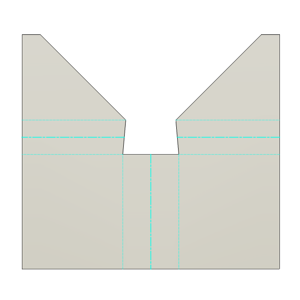
Intersection
 : Creates a bend relief shape by extending the flange edges until they intersect.
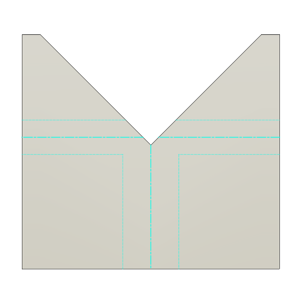
Full round
 : Creates a bend relief shape by extending the flange edges until they intersect, then adding a full round fillet at the intersection, tangent to the flange edges starting at the bend zone.
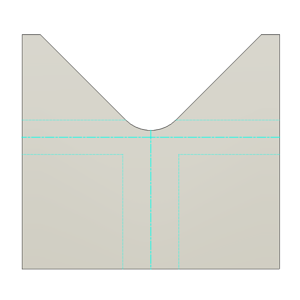
Round with radius
 : Creates a bend relief shape by extending the flange edges until they intersect, then adding a fillet of a size that you specify to round the intersection.
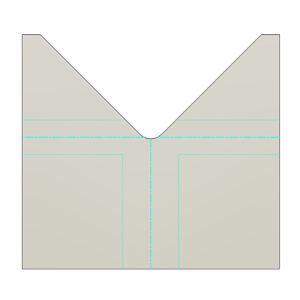
Radius: Specify the relief radius value to override the sheet metal rule.