Scan to Mesh Local
Templates, Schemas, and Custom Attributes allow you to standardize your classification layers and maintain this standardization when exporting to key workflows such as Model Coordination, Revit and the newly enabled IFC 4.0.
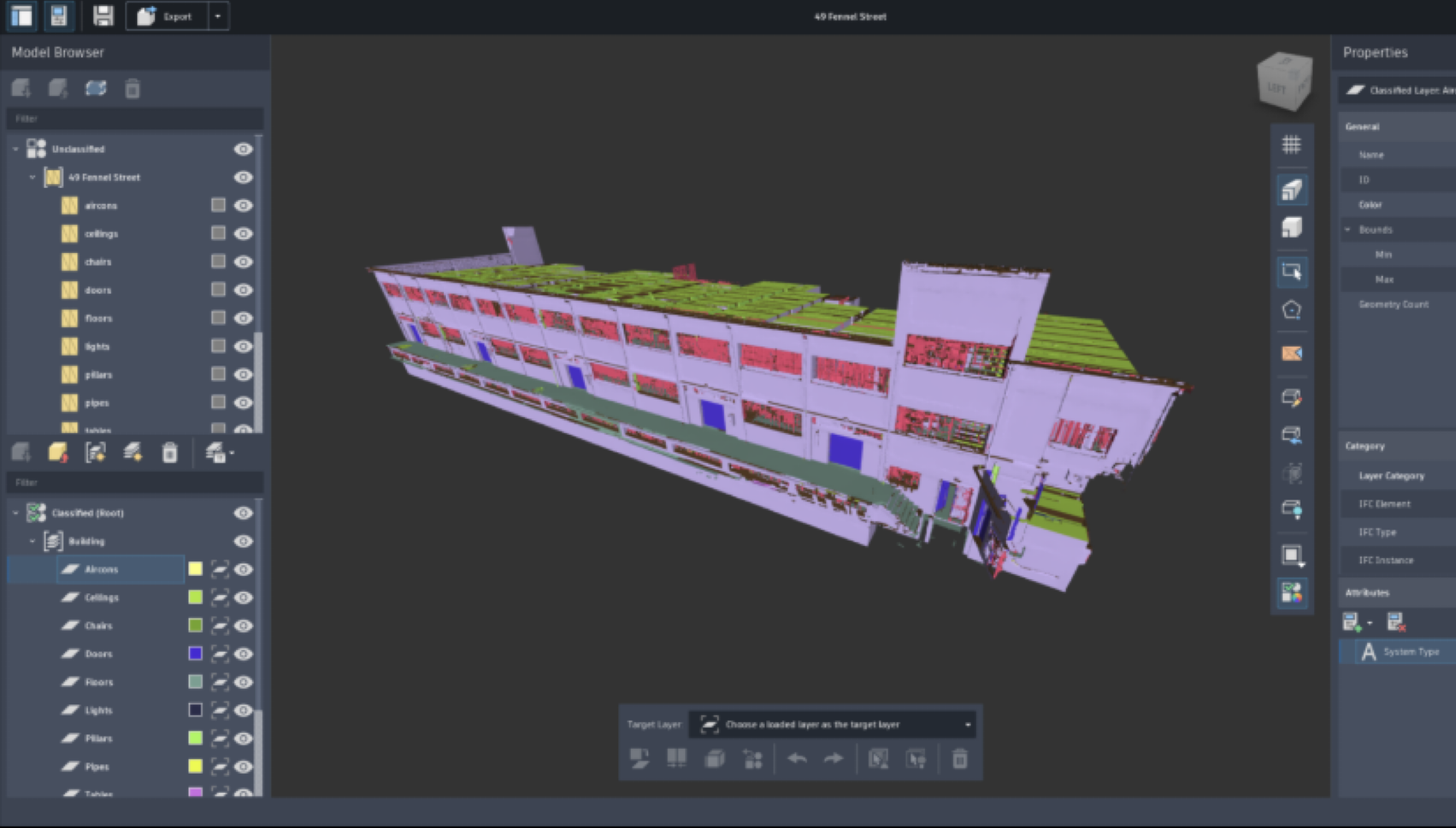
What are templates?
Templates make it easy to bring consistency and clarity to every project from day one. By defining reusable sets of groups and layers, you can apply the same standards across all projects—ensuring naming, structure, and classification are always aligned with your organization’s requirements. Templates can also be shared across teams, helping everyone work from a common foundation and reducing variation between projects.
By removing the need to recreate layers for each new project, templates significantly streamline project setup. Teams spend less time on repetitive configuration and more time delivering value. At the same time, focusing classification only on relevant layers helps reduce unnecessary work, speeding up the overall classification process and improving downstream workflows.
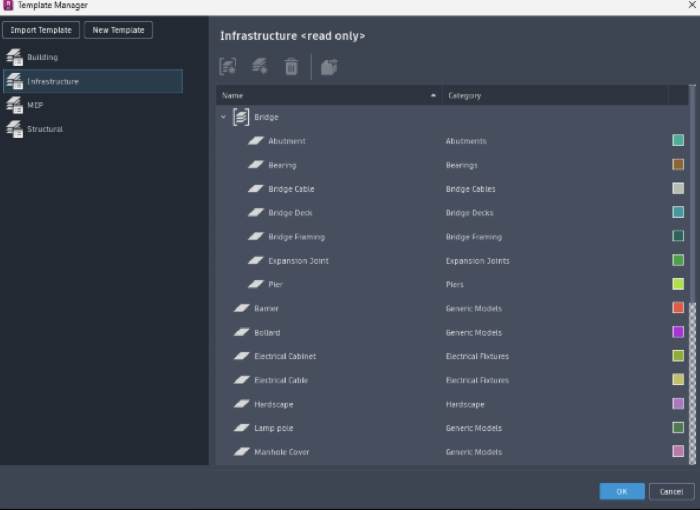
What are ReCap Categories?
ReCap Categories help ensure your data stays meaningful and reliable as it moves through your workflows. By applying consistent categories to groups and layers, you can trust that your intent is preserved when exporting to downstream tools such as Revit or IFC 4.0. This means objects continue to be recognized for what they are—without rework or reinterpretation—no matter where the data is used.
With schemas in place, teams benefit from a shared understanding of what each layer represents. This standardization improves collaboration, reduces ambiguity, and gives everyone confidence that the data they’re working with is structured, predictable, and ready for use across coordination, delivery, and handover workflows.
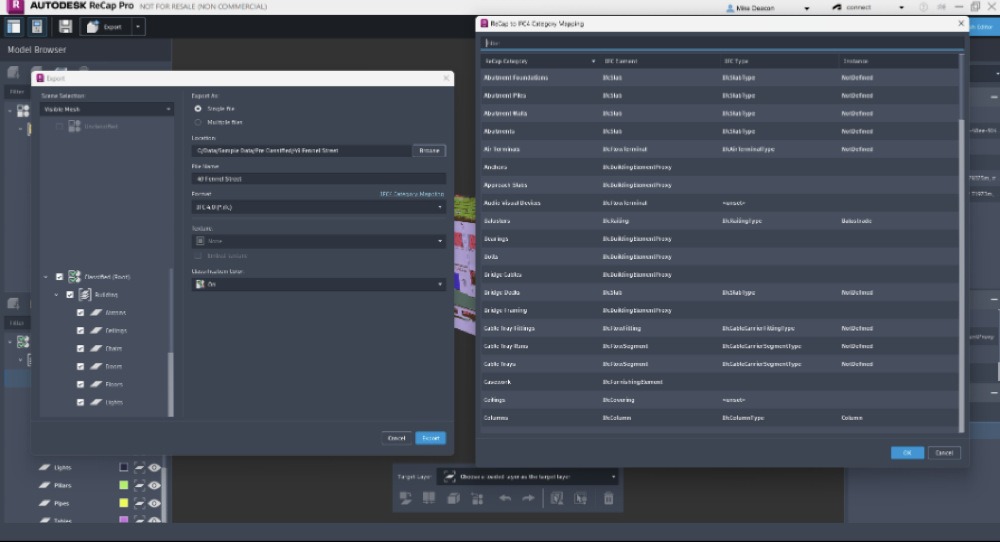
What are Custom Properties?
Custom Attributes are unique and totally customisable addition meta data that can be added to layers and objects contained within your mesh. These Attributes can be used to add critical information into the model that can be used by workflows later on, by exporting to the nwc format. Adding unique ID’s, Sustainability Insights or other Coordination information can benefit Digital Twin and Clash Detection workflows.