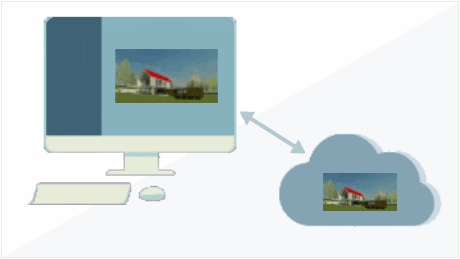
Share models with project stakeholders in the cloud. Shared views allows you to share you model with anyone, even if they do not have Revit.
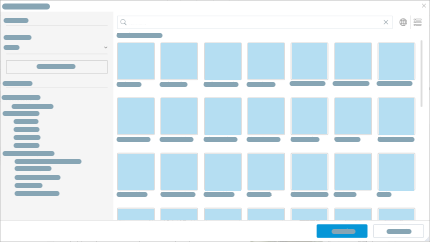
Use a custom browser to find and load Autodesk content from the cloud into your model. Search the default content libraries across multiple languages to find just the right family.
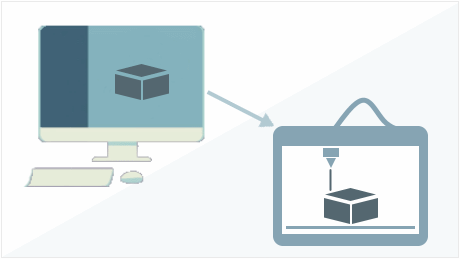
Export your models from Revit to an STL file without an add-on. Use the STL file for 3D printing your models.
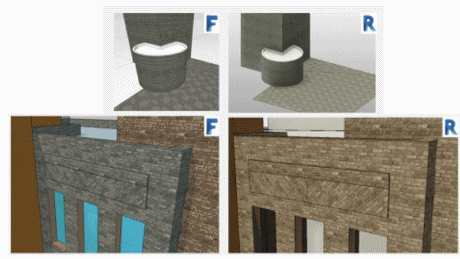
Visual and material fidelity of models converted from FormIt and opened in Revit have been enhanced.
Improvements make importing SAT and rhino files more reliable than in previous releases. Incidents of not being able to import geometry are reduced. SAT and Rhino files will have better fidelity when imported.
Added support for the import of 2020 format SketchUp files.
To better support information workflows, many new unit types are available for use in parameters.
Revit 2021.1 includes a number of user interface improvements to make working easier.
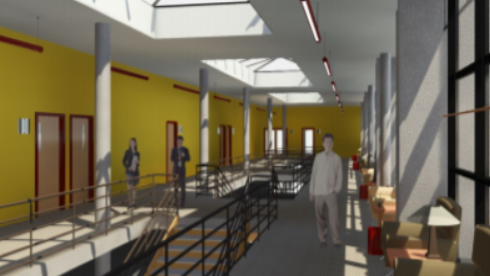
This feature provides a superior replacement for realistic views.
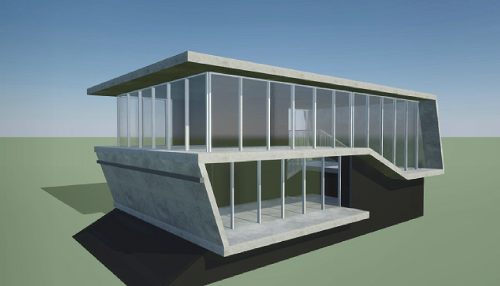
Create slanted walls and slanted curtain walls using the standard Wall tool. Slanted walls can host elements like doors, windows, electrical features, wall sweeps, and more.
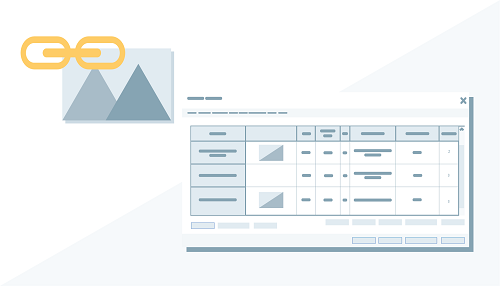
Link a raster image into a 2D view for reference without increasing the size of the model or affecting performance. Then remove the file when it's no longer needed.
Cloud models can now be hosted on Europe data centers.
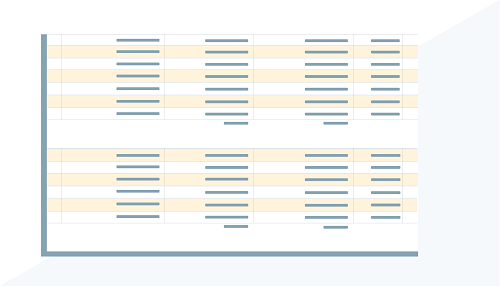
To make a large schedule easier to read, set the Stripe Rows feature to display rows in contrasting colors.
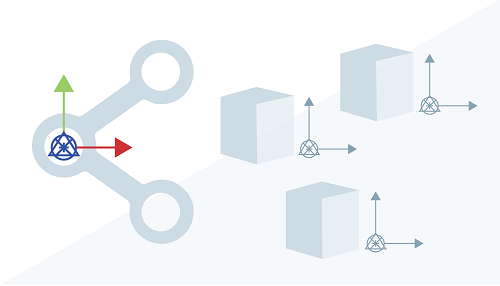
To more easily work with linked models, you can display coordinates of linked models in the host model. These coordinates include the survey point, project base point, and internal origin.
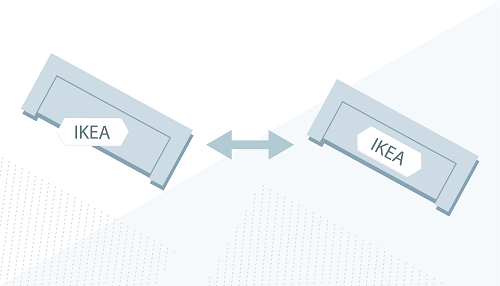
The family parameter Rotate with Component has been added to more tag categories. In addition, text rotation in section heads is improved.
Revit LT 2021 includes several performance improvements.
In the Design Options dialog, option sets and design options are automatically sorted in alphanumeric order.
Voids used in families have a new parameter: Cuts Geometry.
To better support infrastructure design, Revit LT supports decimal US survey feet as a length unit.