Energy settings control the behavior of the energy model creation. They also control the optional use of additional information specified in the Revit model, such as material properties and thermal space properties.
When performing the initial energy optimization, you do not need to change energy settings. Learn the overall paradigm of Energy Optimization for Revit before changing the default energy settings.
 Video: Energy Settings
- To open the Energy Settings dialog, click Analyze tab
 Energy Optimization panel
 (Energy Settings).
- To open the Advanced Energy Settings dialog, for Other Options, click Edit.
Mode
Revit offers 3 modes for creating the energy model from the architectural model. For all cases, however, you should use the default mode: Use Conceptual Masses and Building Elements.
This mode does not require that the architectural model include both conceptual masses and building elements. You can use this mode when the model contains only masses or only building elements. It also supports a mix of the 2 types of elements, which is useful when performing energy optimization using the Mixed Design method.
The other modes relate to legacy behavior. They are provided only to support older models. Some advanced energy settings relate only to these legacy modes; those settings are unavailable when the mode is set to Use Conceptual Masses and Building Elements.
Ground Plane
Specify the level below which the energy model surface is assumed to be in contact with the ground for heat transfer.
For a building where the ground floor is partially underground (for example, built into a slope), use the level with the most exposure as the ground plane. The differences in the resulting energy analysis are typically fairly minor.
Project Phase
All building elements and/or conceptual masses assigned to the specified phase or an earlier building phase are included in the energy analysis. Elements and masses assigned to a later building phase are omitted from the energy analysis.
Analytical Space Resolution and Analytical Surface Resolution
The Analytical Space Resolution parameter and the Analytical Surface Resolution parameter provide important information used by the algorithm that generates the energy model.
The default values for these parameters provide an optimum balance between energy model accuracy and processing time for most Revit models. However, because Revit model size, complexity, and quality can vary widely, you may need to modify these parameters to provide greater accuracy or to reduce processing time of the energy model, or both.
When you increase the values for Analytical Space Resolution and Analytical Surface Resolution, the processing time required to create the energy model is significantly reduced.
When you reduce the values for these parameters, the processing time required to create the energy model increases significantly.
Reducing these values does not necessarily result in a more accurate energy model. For example, while a lower Analytical Space Resolution value can result in smaller gaps between Revit elements, it can also lead to the omission of some analytical spaces due to gaps between architectural elements that were ignored at the higher setting.
Experiment with different values in various models to understand how these parameters work. See also About the Energy Model Creation Process, About Spaces in the Energy Model, and About Surfaces in the Energy Model.
Perimeter Zone Depth
Specify the distance to measure inward from the exterior walls to define the perimeter zone. This setting should always be used in conjunction with the Perimeter Zone Division setting.
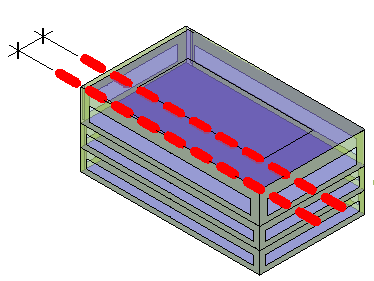
The core of a building has heating and cooling loads that differ from the perimeter because it is not directly exposed to external weather conditions or daylight through windows. A typical perimeter zone depth is 12-15 feet (4-5 m).
Setting the perimeter zone depth is a valuable part of automatic thermal zoning, especially for buildings with large open plans or for early massing studies. For more information, see About Spaces in the Energy Model.
Perimeter Zone Division
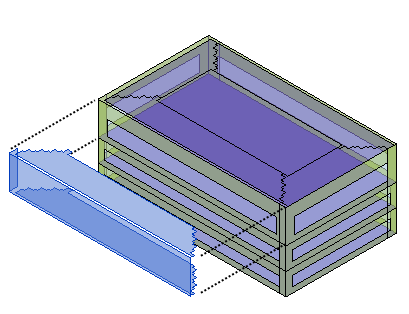
Select this option to divide the perimeter of the building (excluding the core) into discrete thermal zones. This setting should always be enabled when the Perimeter Zone Depth is greater than zero.
Perimeter zones result in more accurate energy consumption estimates. For example, in the late summer afternoons, a west façade may encounter solar heat gain while the east façade does not. Perimeter zoning allows energy analysis of these perimeters to be handled separately. For more information, see About Spaces in the Energy Model.
Other Options
To open the Advanced Energy Settings dialog, click Edit.