Arnold for 3ds Max 5.9.3
3ds Max 2027.2 includes Arnold for 3ds Max (MAXtoA) 5.9.3.0. New features include support for rendering 3D Gaussian Splatting scenes, an improved noice denoiser, the new Shader to RGBA and tone zones nodes for non-photorealistic rendering, faster GPU scene updates, and more.
Arnold also now works with native 3ds Max 3DGS data, including the new points object type. Additionally, you can use Arnold with the Point Instance modifier to take advantage of render time instancing.
See the MAXtoA release notes for the changes in each MAXtoA version.
Flow Render Tech Preview
MAXtoA 5.9.3.0 includes a Tech Preview of Flow Render, an Arnold cloud-rendering solution. We are providing 2400 minutes (per user, per month) of rendering time to Arnold users for testing and evaluating the service. Please report any feedback or issues in the Arnold forums.
See the Flow Render Tech Preview documentation for more information.
Enhancements
Gaussian Splats
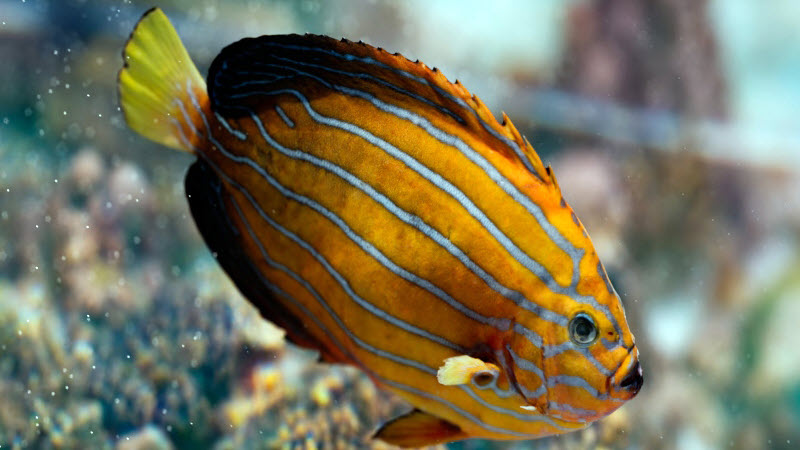
MAXtoA now supports rendering 3D Gaussian Splatting (3DGS) scenes. You can load gaussian splats directly into 3ds Max and render them with Arnold. The Render Setup has a new global option for the Min Pixel Width of gaussian splats. You can override the Min Pixel Width on a per-object basis with the Arnold Properties Modifier. (ARNOLD-16779, MAXTOA-2149, MAXTOA-2163)
There is also a simple, file-based Gaussian Splats object (note that this Gaussian Splat object does not have a viewport representation).
Polygonal mesh fish with Gaussian Splats coral

Flower Gaussian splats
Improved quality of noice denoiser
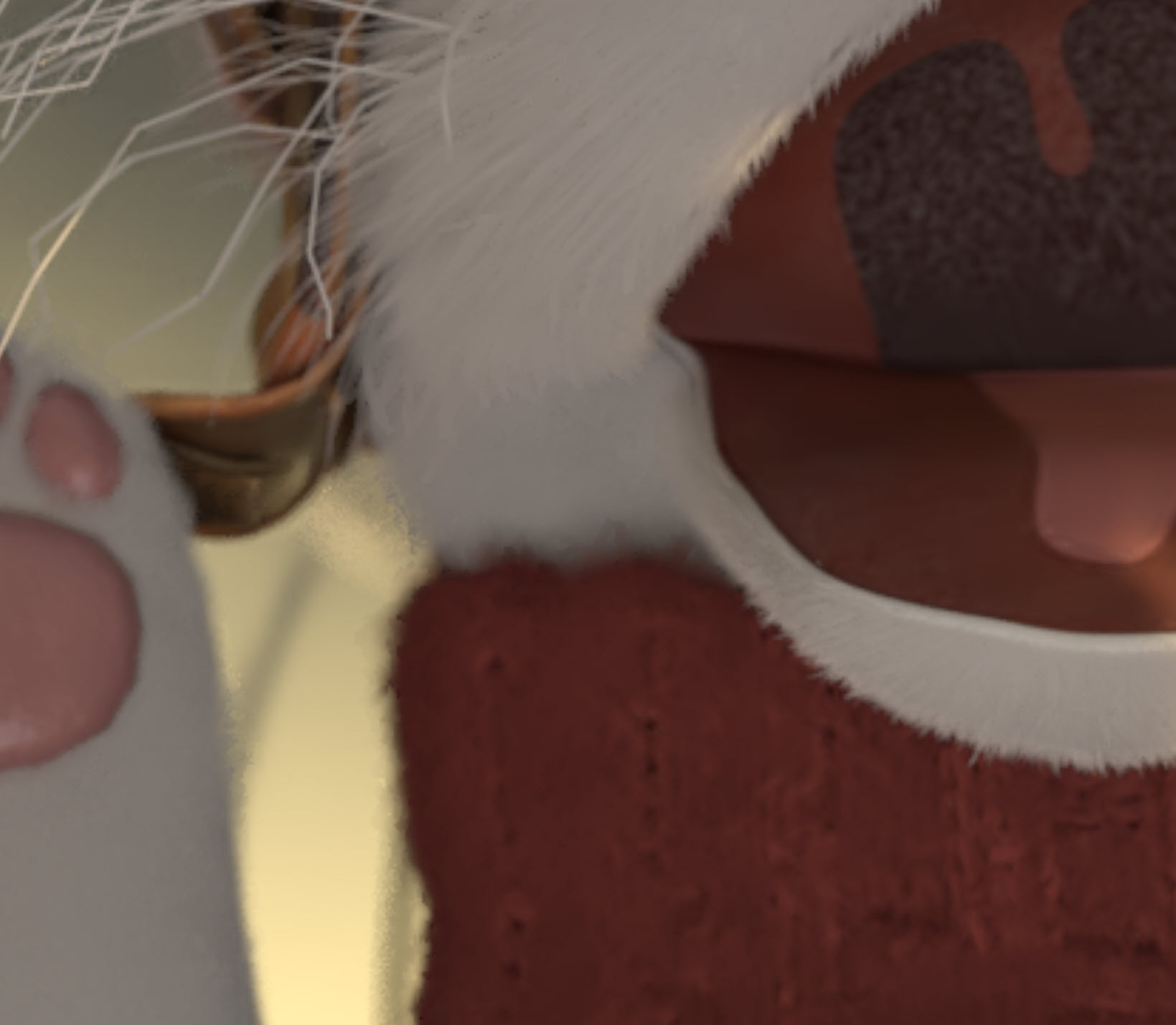
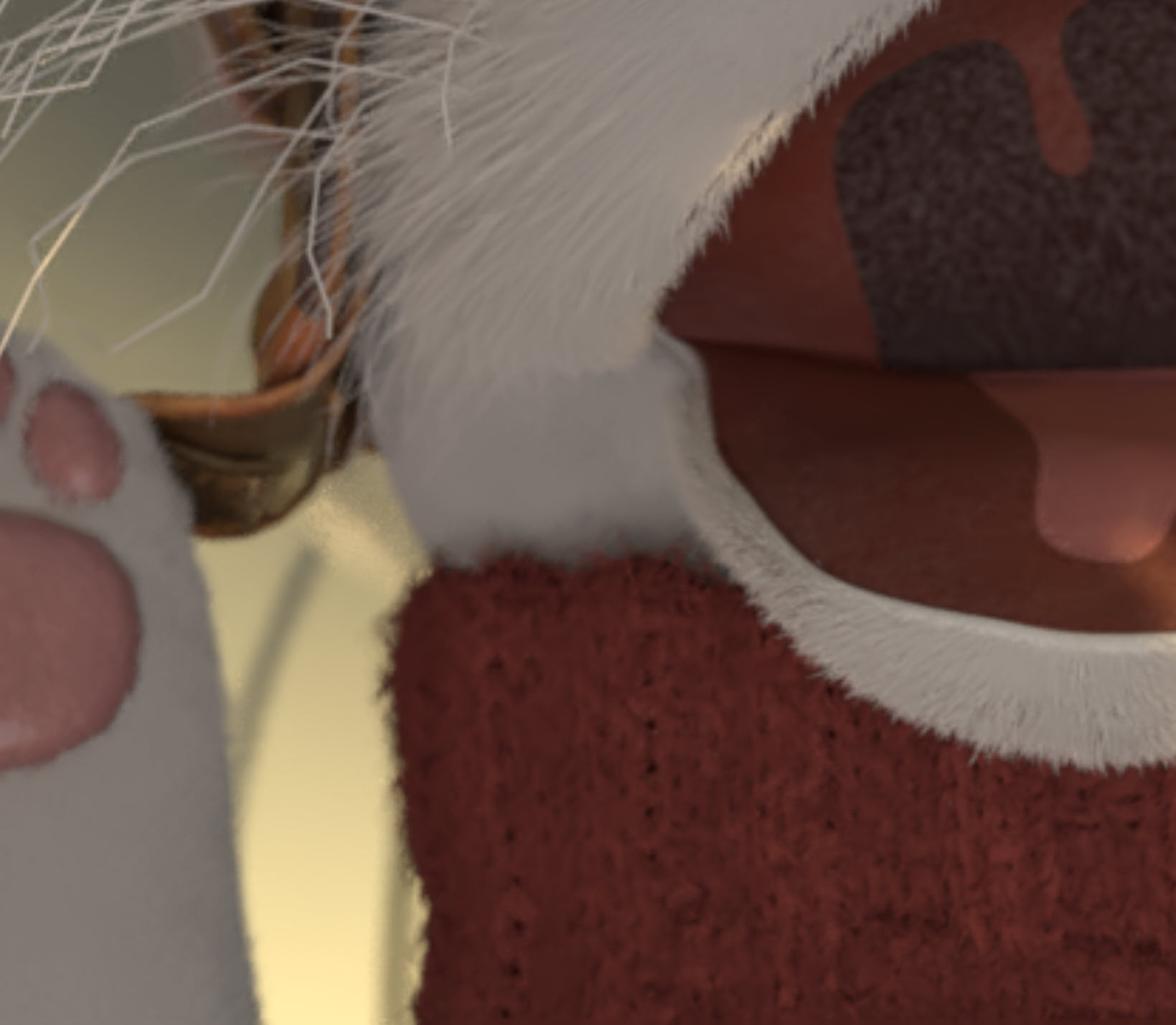
Previously, the noice denoiser could produce overly-blurred denoised images even with sufficient samples. This noice improvement also fixes occasional black pixel artifacts introduced by the denoiser. The variance parameter on the noice imager has been renamed to filter_strength; the old name is still accepted as a synonym. The standalone tool's --variance/-v flags are kept as aliases for --filter_strength/-k. In the example below, note the improved denoising of the sweater, the fur, and the whiskers. (ARNOLD-14879)
 |
 |
| 7.5.1.2 | 7.5.2 |
Shader to RGBA
The new shader_to_rgba node evaluates lighting for a surface shader (such as openpbr_surface) and outputs the result as RGBA that you can use in a shading tree. For example, you could feed those RGBA values into a ramp for non-photorealistic rendering. Both direct and indirect illumination are available as separate outputs, and a light group filter allows for per-light stylization. shader_to_rgba works on both CPU and GPU (out_indirect is not yet available on GPU). (ARNOLD-17679)
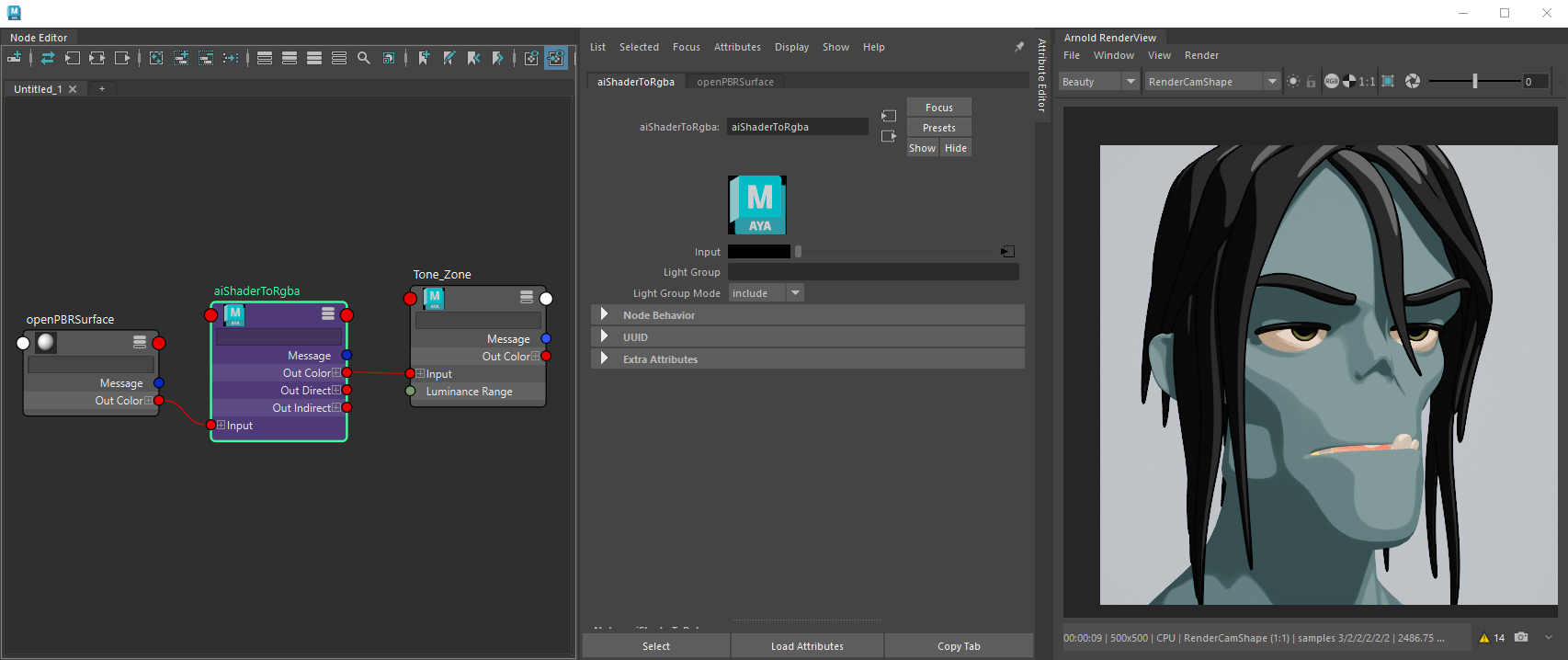
OpenPBR Surface > Shader to RGBA > Tone Zone shader
Faster GPU scene updates
Several optimizations make GPU scene updates noticeably faster, especially for interactive edits to meshes, with update times reduced by up to 43%. (ARNOLD-17720, ARNOLD-17721)
Tone zones
The new tone_zones node splits lighting into up to eight discrete brightness bands for cel-shading and non-photorealistic-rendering workflows. Zone widths are defined as simple ratios and stay stable across exposure changes. Each zone outputs a tint color and a mask that you can use for compositing. You can soften boundaries between zones independently, and chain nodes to further subdivide a zone. (ARNOLD-17680)

Improved point cloud queries
You can now query point clouds for up to 1024 nearest points, and the pointcloud_search and pointcloud_get built-in functions now work on GPUs. (ARNOLD-17285, ARNOLD-17364)
Per Subimage compression for EXR files
In the AOV window, you can set different compression modes for each AOV in a multipart EXR file. (ARNOLD-15669, MAXTOA-2166)
Faster loading of PLY file meshes
Loading meshes from PLY files is now generally about 1.2x to 1.4x faster. (ARNOLD-17584)
Overlay imager default font
Instead of erroring out, the Overlay imager now tries to render with a default system font, like Arial or Liberation Sans, if the user-specified font is not available. (ARNOLD-17759)
Options node in render reports
Render reports now include the options node parameters (Arnold's global render settings), so you can see exactly which settings were active when reviewing performance data. (ARNOLD-17099)
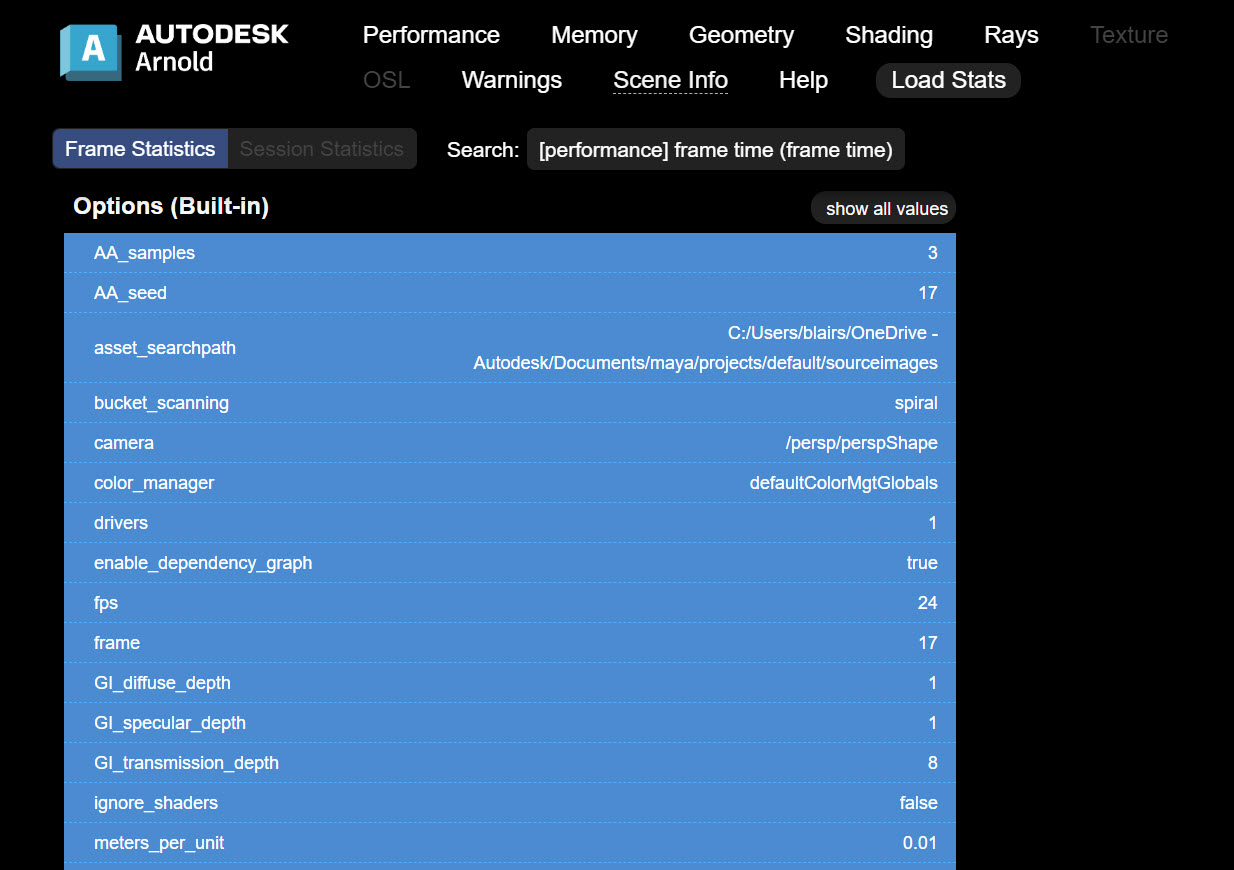
Override node and string arrays in kick
You can now override node and string array type parameters, such as options.drivers or options.outputs, using the -set command in kick. (ARNOLD-17816, ARNOLD-17821)
Ignore deformation and transformation motion blur
The Arnold options have two additional attributes ignore_motion_transform and ignore_motion_deform that can disable the two types of motion blur independently. (ARNOLD-17112)
Upgraded OSL
OSL has been upgraded to version 1.14.2.0. (ARNOLD-17651)
Upgraded MaterialX
MaterialX has been upgraded to version 1.39.5. (ARNOLD-17572)
 |
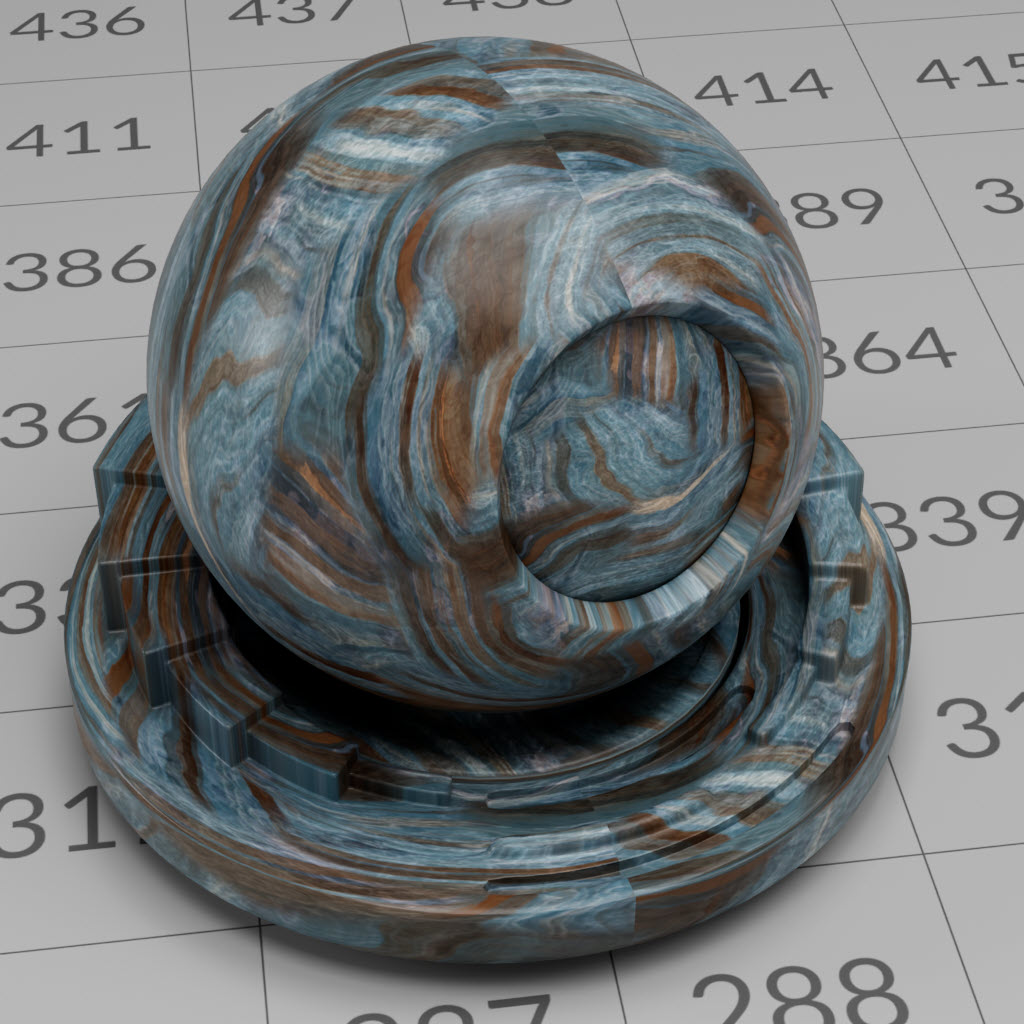 |
| MaterialX Flakes | MaterialX Hextiled |
Upgraded OpenColorIO
OpenColorIO has been upgraded to version 2.5.2. (ARNOLD-17725)
Flow Render Enhancements
Multipart uploads
File uploads are no longer limited to 5 GB, as large files are now uploaded in multiple parts. (ARNOLD-17554)
Verify scene outputs and camera
Render outputs and camera are now verified when the scene is submitted and will trigger a submission failure when missing. (ARNOLD-17661)
USD Enhancements
Optimized nested instancers
The new lightweight instancing scheme has now been extended to nested procedurals. usd#2583
Matte in Render Passes
In Hydra 2, Render passes now support the matte attribute with Arnold. usd#2549
ArnoldNodeGraph in referenced USD files
ArnoldNodeGraph primitives are now correctly resolved when the USD file containing them is referenced into a larger stage. usd#2645
Gaussian Splat USD schema
Arnold now has preliminary support for reading the USD 26.03 ParticleField3DGaussianSplat schema, allowing Gaussian Splat data authored in USD to be rendered. usd#2608
Full UsdLux support
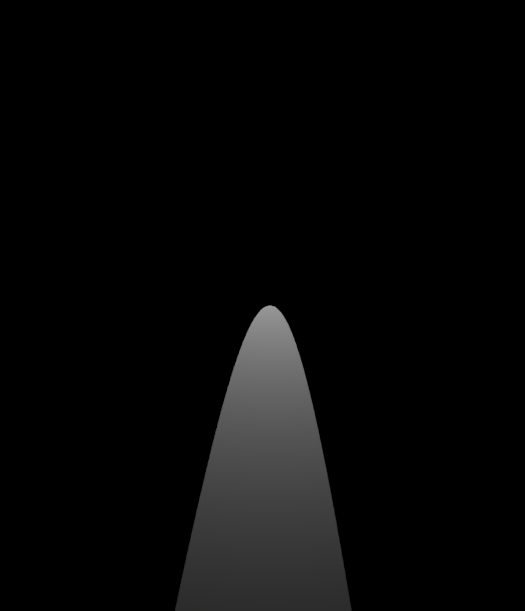
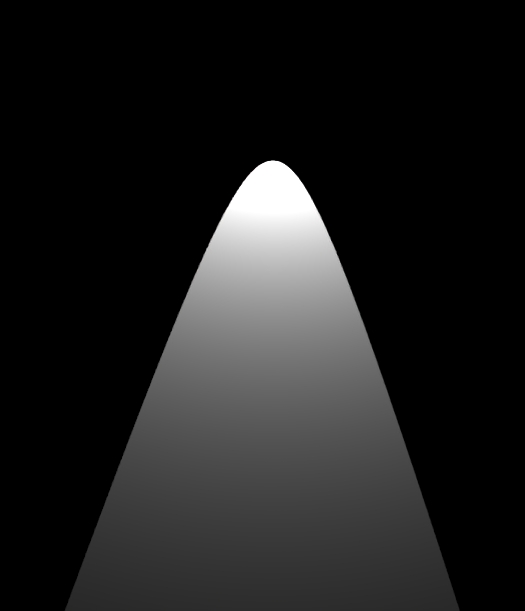
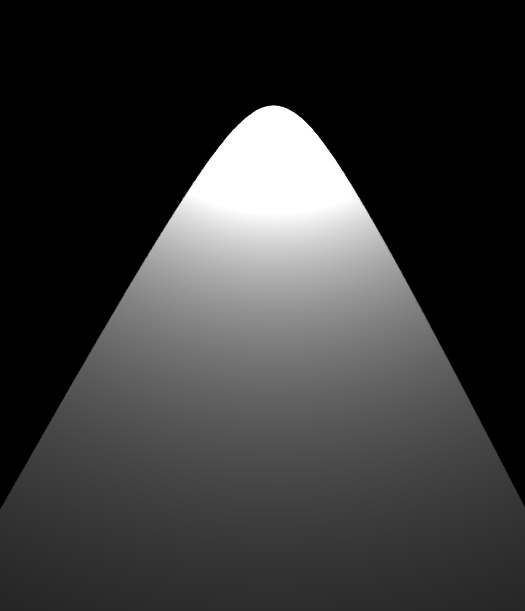
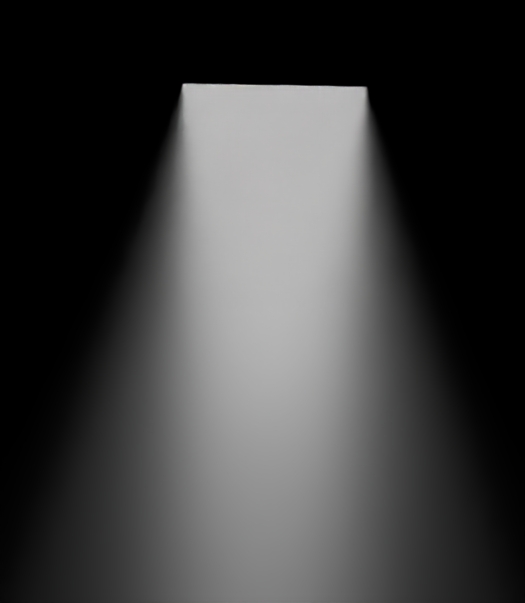
Arnold now implements the current UsdLux lighting standard for USD lights, enabled by setting the options node usdlux_version parameter to 25.05. Cone shaping (cone angle, softness, focus, and focus tint) and IES photometric profiles now work on all light types (cylinder, disk, quad, and mesh lights, not just spot and sphere lights), together with IES orientation, angle-scale, and brightness-normalization controls. See USD Lux for the full feature list and more examples. usd#2439
Cone angle: You can restrict area light emission to a cone around its primary axis:
 |
 |
 |
| Cone angle 10 | 20 | 30 |
IES profiles: You can now use IES profiles with non-sphere lights.
 |
 |
| Sphere | Cylinder |
Hole Indices support
Hole indices are now supported in UsdGeomMesh for non-subdivided meshes. usd#2632
API Changes
Texture plugin API
Arnold's texture system can now be extended with live, procedural image data. Plugin authors register a custom URI prefix with AiTexturePluginRegisterURI() and supply pixels through AtTexturePluginCallbacks when an image shader points at that URI. Arnold treats the result like any other texture, including filtering and mipmapping, but the pixels can be generated on demand instead of being read from disk. That makes it practical to wire in host-native procedural sources without baking intermediate files. See ai_texture.h for the callback interface and an example implementation. (ARNOLD-17820)
Profile write and reset
Profiling data can now be explicitly written to the profile file and cleared (reset). Previously, profile data was written and reset only when Arnold was unloaded or when the process exited. Two new functions have been added for this purpose: void AiProfileWrite() and void AiProfileReset(). Note that both functions immediately resume collecting profiling data after execution. (ARNOLD-11923)
Per-subimage compression for multipart EXRs
To support per-subimage compression for multipart EXR files, the EXR driver compression parameter is now a string array. This allows you to use a different compression type for each subimage. (ARNOLD-15669)
Bug Fixes
- MAXTOA-2167 - interior_set UI control not working. Introduced in MAXtoA 5.9.2 but was accidentally broken. Now fixed
- MAXTOA-2173 - MAXtoA writes AOVs datatypes in lowercase, which breaks USD export
- ARNOLD-15737 - Fix Ctrl+C (SIGINT) being ignored when Arnold is run in background or automated runs
- ARNOLD-17113 - Rare AiMicrofacetThinWallRefractionBSDF sampling artifact
- ARNOLD-17581 - Memory for adaptive sampling buffers was allocated even with adaptive disabled
- ARNOLD-17599 - Enabling OIDN/OptiX denoiser causes Closest Filter width to match beauty
- ARNOLD-17667 - Rare crash in GPU volumes with velocity grids
- ARNOLD-17769 - Fix random crash/hang at process exit caused by AiMsg calls when missing AiEnd
- ARNOLD-17824 - Restore Log Window contents after reopening Arnold RenderView
- ARNOLD-17825 - No anti-aliasing on contour_filter output if there is a denoiser imager (even if the imager is disabled)
- ARNOLD-17885 - Render reports with built in stats do not work
System Requirements
- Autodesk 3ds Max 2025, 2026, and 2027
- Windows 10 or later, with the Visual Studio 2019 redistributable.
- CPUs need to support the SSE4.1 instruction set.
- GPU rendering and OptiX denoising require an NVIDIA GPU with the Maxwell architecture or later.
- On Windows, we recommend 591.28 or higher drivers.
- Intel OIDN runs on all CPUs. GPU support is limited to:
- Windows
- Intel Xe and Intel Arc dedicated and integrated GPUs
- NVIDIA GPUs with Turing, Ampere, Ada Lovelace, Hopper, and Blackwell architectures
- AMD GPUs with RDNA 2, RDNA 3, RDNA 3.5, and RDNA 4 architectures
- Windows